
Alternatives to Opal
Explore the best alternatives and competitors to Opal.
Explore 20 alternatives to Opal. Compare features, pricing, and find the best fit for your needs.

MD to Text
Convert Markdown to plain text online. Remove formatting instantly, copy readable output, and keep every conversion private in your browser.

AUTOMATER.ai
A tray helper for every AI coding tool: one searchable library of past sessions, waiting alerts and usage across 9 providers.

stackledge
A human-vetted discovery directory for practical AI tools, SaaS apps, and custom n8n workflows, free from bot-scraped spam and dead links.
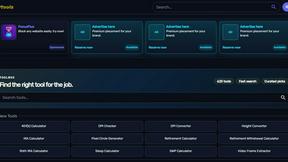
Kody Tools
Free collection of online developer utilities, code formatters, and digital converters designed to streamline your daily workflow.

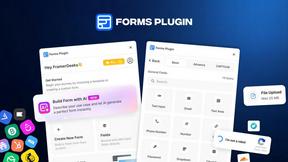
Forms Plugin
The #1 Native Form Builder Plugin for Framer - No Code, No Embeds, No External Platforms.

Product Launch Checklist
A free launch checklist for SaaS, apps, AI tools and more. Every step says why it matters and when you can skip it.



PerPageFax
PerPageFax lets you send a fax online from any browser for a flat $0.50 per page — no account, no subscription, no fax machine.

JsonTranslate
Translate JSON, Markdown, and TXT files while preserving keys, nested paths, and project structure.

Glanced
Follow news, blogs, newsletters, and podcasts in a free RSS reader, with AI summaries, top stories, full-text search, saved searches, and a catalog.
Create Fillable PDFs
Create interactive PDF forms quickly and easily online. Add text fields, checkboxes, dropdowns, and signatures to any PDF.
About Opal Alternatives
Opal is a visual workspace that redefines project management and note organization by allowing users to visualize their work in a spatial manner. This innovative approach is designed for individuals who thrive on spatial memory, enabling them to organize their projects, notes, and ideas on an infinite digital canvas. By moving away from traditional nested folders, Opal helps users keep their thoughts and tasks within easy reach, promoting a seamless workflow that enhances productivity and creativity. Users often seek alternatives to Opal for various reasons, such as pricing, specific features, or compatibility with their preferred platforms. When exploring alternatives, it's crucial to consider what aspects are most important for your workflow—whether it's the ease of use, integrations with existing tools, or unique functionalities that cater to your personal or professional style. Understanding these needs will help you find a solution that not only meets your organizational requirements but also supports your overall productivity journey.
FAQs about Opal Alternatives
What is Opal?
Opal is a visual knowledge and project management workspace that allows users to organize their projects and notes in a spatial manner. It provides an infinite digital canvas where users can drag and drop various elements like notes, documents, and files, making information retrieval quick and intuitive. Opal is designed for those who prefer a visual approach to organization and memory.
Who is Opal for?
Opal is tailored for solopreneurs, consultants, agency owners, writers, and anyone whose work relies on managing conversations, details, and creative ideas. It is ideal for individuals who value a visual workspace that keeps their projects, client information, and notes easily accessible and visible. Opal enhances productivity by catering to the needs of those who think spatially.
Is Opal free?
Opal offers various pricing plans to accommodate different user needs, but it is not entirely free. Users can explore the features and capabilities of Opal through a trial period before committing to a subscription. This allows potential users to assess whether Opal aligns with their organizational style and workflow.
What are the main features of Opal?
Opal's main features include an infinite digital canvas for organizing notes, documents, and files visually. It allows users to drag and drop various elements, enhancing the ease of organization. Additionally, Opal’s spatial memory approach ensures that users can quickly locate their information based on its visual placement rather than traditional naming conventions.