
Alternatives to Hostim.dev
Explore the best alternatives and competitors to Hostim.dev.
Explore 20 alternatives to Hostim.dev. Compare features, pricing, and find the best fit for your needs.

Sprite Sheet Maker
A free browser-based toolkit for creating, cutting, converting, and previewing sprite sheet animations.

stackledge
A human-vetted discovery directory for practical AI tools, SaaS apps, and custom n8n workflows, free from bot-scraped spam and dead links.

layahost
Jev-compatible typed decisions API: moderation, routing, intent and scoring for any text, hosted in the EU.
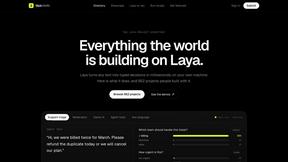
laya.tools
A free directory of 950+ projects built on Laya, the open-source decision model. Updated daily.

Forms Plugin
The #1 Native Form Builder Plugin for Framer - No Code, No Embeds, No External Platforms.
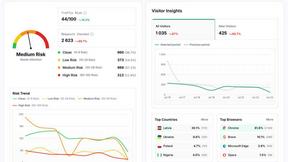

GPT Image 2 API
Generate and edit production-ready images with GPT Image 2 API using detailed prompts, references, clear text rendering, and developer-friendly workfl
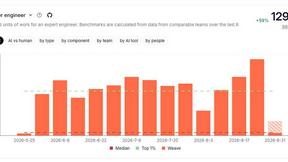

Built2Win AI Indexing
AI‑ready websites, WebAgentScan SaaS, and Indexing Pack. MCP, A2A, llms.txt — hand‑coded PHP, complete ownership, flat‑fee, free quote.

AppBanana
10,000+ Apps Approved, Yours Next With 10,000+ successful apps, we know exactly what Google wants, and how to get yours approved.


Firma.dev
Pay-as-you-go e-signature API and no-code sending. €0.049 per envelope, no monthly minimums, legally valid in 55+ countries.

Ornold
Ornold MCP lets AI agents control Chromium and antidetect browsers: click, type, read screens, record workflows, replay profiles without scripts.
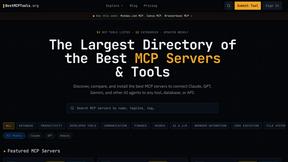
RedLinz
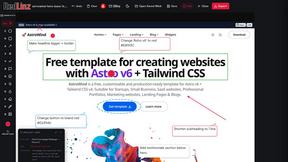
RedLinz turns screenshots into AI prompts by letting you circle and annotate exactly what you want an LLM to change.

AIQualityHQ
Explore how AIQualityHQ instantly evaluates your prompts across six dimensions to uncover hidden risks and sharpen your AI inputs.

Locai
Locai lets you run powerful AI models on your own hardware, keeping data private and cutting cloud costs.
Clearcote
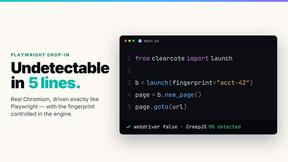
Clearcote is an open-source, de-Googled Chromium drop-in for Playwright and Puppeteer that gives you engine-level fingerprint control for a single.

JustLaunched
Discover where early adopters find new SaaS and get your launch in front of them across curated directories.

online audio test
Explore your device's audio capabilities with free mic, speaker, latency, and hearing tests that deliver instant results right in your browser.
About Hostim.dev Alternatives
Hostim.dev is a specialized Platform-as-a-Service (PaaS) designed to simplify deploying containerized applications in the European Union. It automates the provisioning of databases, caches, and infrastructure, offering a fast, secure path from code to production on bare-metal servers. Developers often explore alternatives for various reasons. Some may seek different pricing models or specific geographic regions for data residency. Others might require advanced features, integrations, or a different balance between simplicity and granular control over their stack. When evaluating other platforms, consider your core needs. Key factors include deployment flexibility, the ease of integrating managed services, compliance requirements, and the overall developer experience. The goal is to find a solution that aligns with your technical requirements and workflow preferences, allowing you to focus on building your application.
FAQs about Hostim.dev Alternatives
What is Hostim.dev?
Hostim.dev is a bare-metal Platform-as-a-Service (PaaS) in the EU that simplifies Docker hosting. It automatically deploys your containerized app and provisions managed services like databases, handling infrastructure so you don't have to.
Who is Hostim.dev for?
It's crafted for freelancers, startups, agencies, and SaaS builders who want a fast, predictable path to production without heavy DevOps overhead. It's ideal for those who value simplicity, control, and EU-based hosting.
What are the main features of Hostim.dev?
Key features include effortless deployment from Docker images, Git, or Docker Compose files, built-in managed MySQL, PostgreSQL, and Redis, automatic HTTPS, and secure isolation on GDPR-compliant bare-metal servers in Germany.
Is Hostim.dev secure?
Yes, Hostim.dev emphasizes security. Each project runs in an isolated Kubernetes namespace, connections are secured with automatic HTTPS, and all infrastructure is hosted on GDPR-compliant servers within the EU.