
Image3D AI vs Postproxy
Side-by-side comparison to help you choose the right AI tool.

Image3D AI
Transform any 2D image into high-precision 3D models in minutes, ideal for printing and game development.
Last updated: March 1, 2026

Postproxy
Discover how one API simplifies publishing to all your social networks.
Last updated: February 28, 2026
Visual Comparison
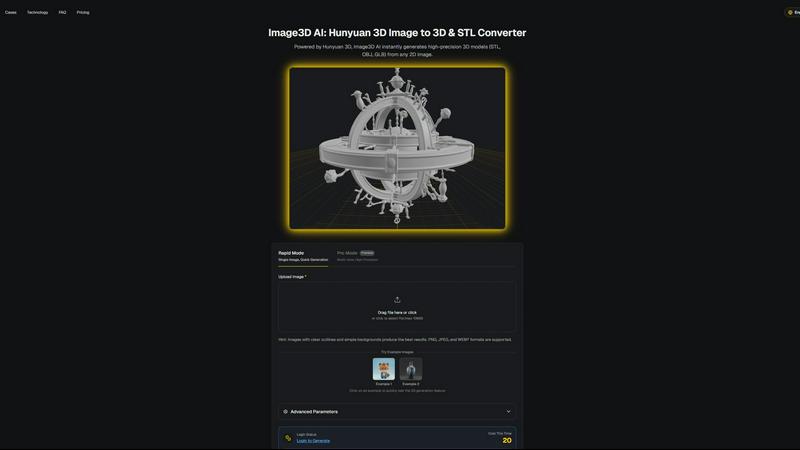
Image3D AI
Postproxy
Feature Comparison
Image3D AI
Rapid Mode
Rapid Mode allows users to generate 3D models from a single image quickly, making it ideal for logos, sketches, and simpler designs. This feature prioritizes speed without compromising the essential details needed for effective modeling, enabling creators to work efficiently.
Pro Mode
Pro Mode is designed for users seeking high precision in their 3D models. By utilizing multi-view images, this feature captures intricate details and geometries, making it perfect for complex designs such as product images or detailed character models.
Multi-format Exports
Image3D AI supports multiple export formats including STL, OBJ, and GLB, catering to various applications. This ensures that users can easily integrate their 3D assets into different platforms, whether for 3D printing, game development, or online showcases.
PBR Material Generation
The tool provides advanced PBR (Physically Based Rendering) material generation, allowing users to create realistic textures and materials for their 3D models. This feature enhances the visual quality and realism of the assets, making them suitable for high-end applications.
Postproxy
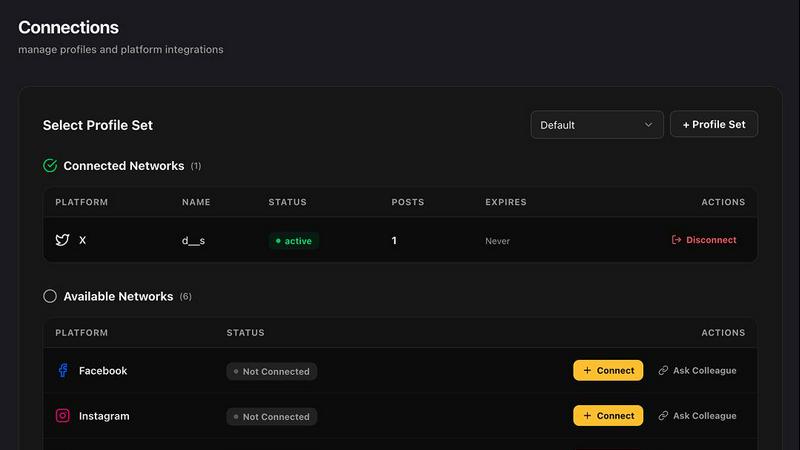
Unified Multi-Platform API
Imagine condensing the unique endpoints, authentication methods, and quirks of five major social networks into one consistent API call. Postproxy provides exactly that: a single POST request that intelligently routes and adapts your content to each specified platform. This eliminates the need to maintain separate SDKs or write custom integration code for Facebook, Instagram, and others, turning a complex web of APIs into one predictable interface for your publishing workflows.
Automated Platform Compliance & Adaptation
Each social network has its own secret language of rules—character limits, media formats, validation logic. Postproxy acts as a universal translator, automatically converting your content to match each platform's specific requirements. It handles the tedious normalization of AI-generated output, media formatting, and text validation behind the scenes, ensuring your post behaves correctly everywhere without manual tweaking.
Built-In Resilience and Delivery Guarantees
What happens when a platform API is flaky or you hit a rate limit? Instead of failing silently or requiring manual intervention, Postproxy is designed with operational resilience as a first-class feature. It manages automatic retries, respects and handles rate limits gracefully, maintains quota awareness, and provides explicit, clear reporting on publish states. You always know what succeeded, what failed, and why.
Centralized Authentication and Account Management
Navigating OAuth flows, token storage, and refresh cycles for multiple accounts and platforms is a significant overhead. Postproxy centralizes this complexity. You connect your social media accounts once, and it manages all platform permissions, secure token storage, and automatic token refreshes. This simplifies access control and eliminates the sprawl of managing credentials across dozens of pages or client accounts.
Use Cases
Image3D AI
Game Development
Game developers can leverage Image3D AI to rapidly produce 3D assets from concept art or sketches. The generated models, equipped with PBR materials, can be imported directly into game engines like Unity or Unreal, streamlining the asset creation process.
E-commerce
In the e-commerce sector, businesses can convert product images into interactive 3D models. These models enhance customer engagement through AR previews and provide customers with a more immersive shopping experience, ultimately boosting conversion rates.
3D Printing
For 3D printing enthusiasts, Image3D AI serves as a powerful image to STL converter. Users can create high-precision, print-ready files from their images, significantly reducing the time and effort required to produce physical prototypes.
Architecture and Design
Architects and designers can quickly generate architectural models from images, allowing them to visualize concepts without starting from scratch. This efficiency enables faster project development, helping professionals meet tight deadlines while maintaining design quality.
Postproxy
AI-Powered Content Automation Pipelines
You're using LLMs or AI agents to generate compelling social content, but the final publishing step breaks the automation. Postproxy seamlessly integrates into these pipelines, providing a reliable endpoint that accepts AI-generated content, adapts it for each platform, and executes the publish command. This closes the loop, creating a fully automated content creation-to-publication system without manual formatting or platform-specific debugging.
Multi-Client Social Media Management Tools
Agencies and SaaS tools managing social media for multiple clients face immense complexity with account permissions and platform integrations. Postproxy simplifies this by acting as a unified backend. It allows you to manage connections for all client accounts in one place and publish to any combination of them through a single, stable API, drastically reducing development and maintenance overhead.
Event-Driven and Scheduled Publishing Workflows
For teams using automation platforms like n8n, Zapier, or Make, Postproxy becomes the crucial publishing module. Whether triggered by a new blog post (webhook), a scheduled time, or a database update, these workflows can now push content to social networks reliably. Postproxy handles the execution, retries, and status reporting, making these automations truly robust and hands-off.
Large-Scale Campaign and Product Launch Coordination
Launching a coordinated campaign across multiple social channels at a specific time is high-stakes. Postproxy provides the determinism needed for scale. You can queue thousands of posts, and the platform will manage the delivery, respecting platform quotas and limits, while giving you a clear, centralized view of the entire campaign's publish status, ensuring nothing gets lost or fails silently.
Overview
About Image3D AI
Image3D AI is an advanced tool that harnesses the power of artificial intelligence to transform static 2D images into intricate 3D models in seconds. Designed for a diverse audience that includes 3D printing enthusiasts, game developers, and digital artists, this innovative platform simplifies the traditionally complex process of 3D modeling. Utilizing Tencent's cutting-edge Hunyuan 3D engine, Image3D AI can generate high-fidelity assets from either a single image or a series of multi-view images. This capability not only enhances creativity but also streamlines workflows across various industries. With features such as multi-format exports and PBR material generation, Image3D AI ensures that even those without extensive 3D modeling skills can produce professional-grade models effortlessly. Its rapid generation modes cater to different needs, making it an essential tool for anyone looking to elevate their design projects.
About Postproxy
What if publishing to social media could be as reliable and predictable as sending an email? Postproxy is an exploration into turning that idea into reality. It's a unified API layer designed to transform the chaotic, fragmented process of multi-platform social media publishing into a stable piece of infrastructure. At its core, Postproxy acts as a single, intelligent endpoint that sits between your application and the ever-shifting APIs of platforms like Instagram, Facebook, YouTube, LinkedIn, and X. It's built for developers, automators, and teams who are tired of the hidden complexities—the platform bureaucracy, inconsistent rules, account sprawl, and operational failures that only reveal themselves at the worst possible moment. By abstracting away the need for platform-specific integrations, OAuth flows, rate limit handling, and content adaptation, Postproxy offers a consistent and reliable publishing contract. This allows you to focus on creating and routing content, whether it's generated by LLMs, triggered by CI/CD pipelines, or orchestrated in tools like n8n and Zapier, with the confidence that the "last mile" of delivery is handled with deterministic logic and clear reporting.
Frequently Asked Questions
Image3D AI FAQ
What types of images work best for conversion?
High-contrast images with clear outlines and simple backgrounds yield the best results. Avoid blurry or low-light images, as they can complicate the 3D modeling process and reduce accuracy.
How long does it take to generate a 3D model?
Using Rapid Mode, users can expect to generate a 3D model in approximately 60 seconds. Pro Mode may take slightly longer due to the increased detail and precision involved in processing multi-view images.
What file formats can I export my 3D models in?
Image3D AI allows exports in multiple file formats including STL for 3D printing, OBJ for traditional 3D editing, and GLB for modern web and AR applications, ensuring compatibility with various platforms.
Is there a limit on the image file size I can upload?
Yes, the maximum file size for images uploaded to Image3D AI is 10MB. Supported formats include PNG, JPEG, and WEBP, which help optimize the conversion process for best results.
Postproxy FAQ
What social media platforms does Postproxy support?
Postproxy currently provides a unified API for publishing to Instagram, Facebook, YouTube, LinkedIn, and X (formerly Twitter). The platform handles the unique API logic, content rules, and authentication requirements for each of these networks automatically, so you don't have to.
How does Postproxy handle platform API changes or failures?
A core value of Postproxy is maintaining a stable contract with its users. When social platforms update their APIs or experience outages, the Postproxy team manages the necessary adaptations on their side. Your integration remains unchanged. Furthermore, its built-in systems automatically retry failed publishes (where appropriate) and handle rate limits, insulating your workflows from common platform instability.
Is Postproxy suitable for publishing from LLM or AI-generated content?
Absolutely. This is a primary use case. Postproxy excels at taking raw, AI-generated output and automatically adapting it to meet the specific format, length, and media requirements of each target social platform. It turns the often-manual final step of formatting AI content into a fully automated process within your pipeline.
What does "explicit publish states" mean?
Unlike many direct API integrations where a post can silently fail or drop, Postproxy provides clear, deterministic feedback for every publish attempt. You will receive explicit status indicating success, failure, or queuing, along with reasons for any failures (e.g., "rate limit exceeded," "media format invalid"). This eliminates the need for manual checking and guesswork.
Alternatives
Image3D AI Alternatives
Image3D AI is a cutting-edge tool that falls under the category of design tools, specifically focused on transforming 2D images into striking 3D models. This innovative software streamlines the complex process of 3D modeling, making it accessible to a wide range of users, including digital artists, game developers, and 3D printing enthusiasts. However, many users begin searching for alternatives due to various factors such as pricing, specific feature sets, or platform compatibility needs. When exploring alternatives, it’s essential to consider several key aspects. Look for tools that offer similar capabilities in 3D model generation, including export options, material generation, and ease of use. Additionally, evaluating customer support, community resources, and integration with existing workflows can significantly enhance the overall user experience and satisfaction with the alternative solution.
Postproxy Alternatives
Postproxy is a developer-centric tool in the social media automation category. It provides a single, unified API to publish content across major platforms like Instagram, Facebook, YouTube, LinkedIn, and X. This approach handles the complex backend work—OAuth, rate limits, and content formatting—so developers can focus on building their applications. Even with its robust offering, users often explore alternatives for various reasons. Needs can differ based on budget, with some requiring a different pricing model or a free tier with specific limits. Others might need support for niche social networks not covered or seek a different user experience, such as a full graphical dashboard instead of a primarily API-driven service. When evaluating other options, consider your core requirements. Key factors include the specific social platforms you need to support, the importance of API reliability and detailed analytics, and how the tool integrates into your existing workflow, whether that's through no-code platforms, custom code, or AI pipelines. The goal is to find a solution that turns social publishing from a chore into a seamless, automated part of your process.