
Fusedash vs Karolium
Side-by-side comparison to help you choose the right AI tool.

Fusedash transforms raw data into interactive dashboards and charts, empowering teams to act on insights instantly.
Last updated: March 4, 2026

Karolium is a zero-code platform that empowers businesses to swiftly create AI-driven applications tailored to their.
Last updated: February 28, 2026
Visual Comparison
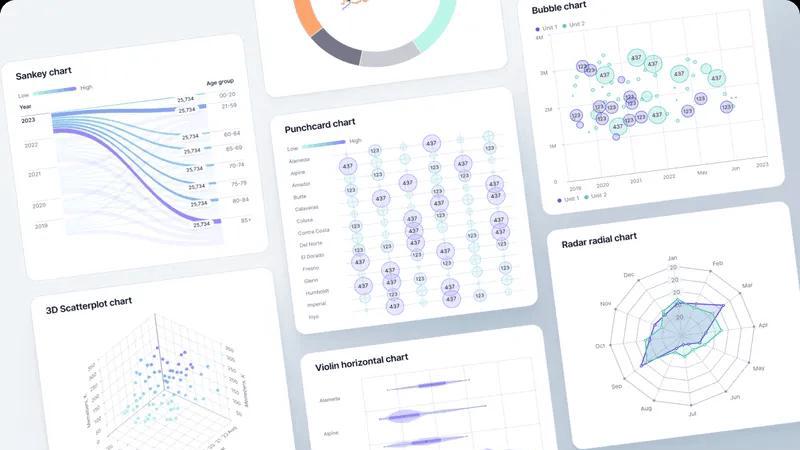
Fusedash
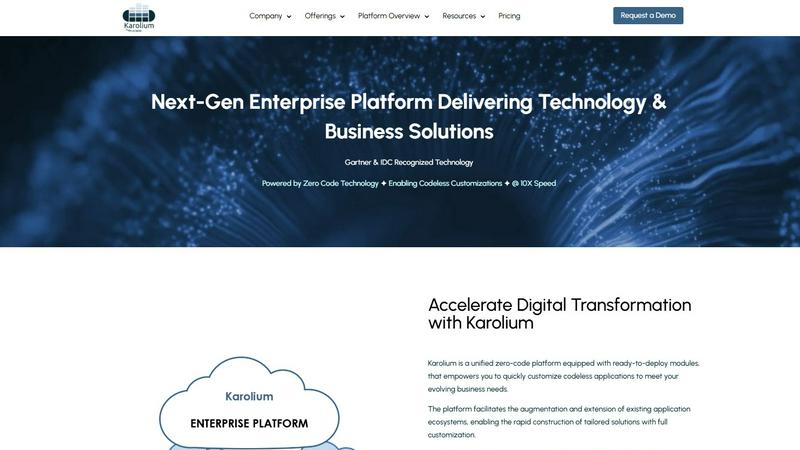
Karolium
Feature Comparison
Fusedash
Flexible Views
Fusedash offers the ability to create tailored dashboards, charts, maps, and report-style views from the same dataset, catering to the unique needs of various teams. This flexibility minimizes back-and-forth communication, ensuring that stakeholders receive precisely the information they need without extra hassle. Users can customize layouts, filters, and time ranges, allowing for a streamlined data presentation across the organization.
AI Chart Generator
With Fusedash's AI Chart Generator, users can produce clear and informative visuals from their data in mere minutes. This feature enables quick selections of chart types, application of comparisons, and refinement of labels, ensuring that each chart effectively tells its story. Users have the option to integrate these charts into dashboards or utilize them as standalone visuals for specific reporting needs.
Dashboard Software
Fusedash centralizes dashboards and reporting into one cohesive workspace, making it easier for teams to monitor KPIs while providing essential context. By combining performance metrics with narrative storytelling, users can clearly communicate what has changed, why it matters, and what actions should follow. This integration helps to maintain alignment across teams and reduces discrepancies in reporting versions.
AI Chat
The Smart Chat feature of Fusedash revolutionizes data exploration by allowing users to ask questions in plain language. This functionality not only helps users navigate their data more efficiently but also provides suggestions for optimal metrics, charts, and breakdowns. The insights gained can be effortlessly transformed into shareable views within dashboards, thereby enhancing collaboration and understanding among team members.
Karolium
Unified Zero-Code Platform
Karolium's unified zero-code platform enables organizations to build, customize, and deploy applications without traditional coding constraints. This feature empowers teams to deliver solutions at unprecedented speeds, boosting agility and efficiency across business operations.
Built-In AI Solutions
Karolium incorporates predictive and prescriptive AI solutions directly into the platform. These built-in capabilities allow users to create intelligent business applications that can forecast trends and recommend optimal actions, enhancing decision-making processes across the enterprise.
Pre-Composed Value-Chain Modules
With ready-to-use, pre-composed modules, Karolium simplifies the creation of tailored workflows and solutions. Organizations can augment their existing application ecosystems and connect functionalities without the need for extensive coding or redevelopment, ensuring a more agile response to market demands.
Continuous Innovation and Updates
Delivered as a managed PaaS-driven SaaS platform, Karolium ensures users have continuous access to the latest capabilities. Regular quarterly releases introduce new modules and enhancements, keeping the platform aligned with evolving business needs and technological advancements.
Use Cases
Fusedash
Marketing Analysis
Marketing teams can leverage Fusedash to create dynamic dashboards that track campaign performance, customer engagement, and ROI. By visualizing data in real-time, marketers can make informed decisions and adjust strategies promptly, ensuring that resources are allocated effectively.
Financial Reporting
Finance departments can utilize Fusedash to generate detailed financial reports that combine historical data with real-time insights. By standardizing KPIs and metrics, finance teams can ensure consistent reporting across departments, leading to more accurate forecasting and budgeting.
Sales Performance Monitoring
Sales teams can benefit from Fusedash's interactive dashboards to monitor sales performance and pipeline metrics. By visualizing data by region, product, or sales rep, teams can quickly identify trends and areas for improvement, facilitating timely interventions.
Operations Management
Operations teams can use Fusedash to track key operational metrics, such as supply chain efficiency and production timelines. By integrating various data sources into a single view, teams can optimize processes and respond quickly to any operational challenges.
Karolium
Accelerating Digital Transformation
Organizations can leverage Karolium to accelerate their digital transformation efforts by rapidly building and deploying applications tailored to their specific requirements. This capability reduces the time and complexity associated with traditional development processes.
Enhancing Collaboration Across Teams
Karolium fosters real-time collaboration among business teams by providing a unified platform where everyone can contribute to application development without needing extensive technical skills. This enhances cross-functional teamwork and innovation.
Improving Predictive Capabilities
With its built-in AI solutions, Karolium enables businesses to harness predictive analytics for better decision-making. Organizations can anticipate market trends and consumer behaviors, leading to more informed strategies and improved outcomes.
Streamlining Supply Chain Operations
Karolium's focus on value-chain solutions allows enterprises to streamline their supply chain operations. By integrating supplier collaboration and procurement processes, organizations can enhance efficiency and reduce costs associated with traditional supply chain management.
Overview
About Fusedash
Fusedash is an innovative AI-powered data visualization platform that empowers teams to transform their connected data into insightful and actionable visuals. Designed for organizations tired of juggling multiple, disconnected tools, Fusedash serves as a unified workspace where users can create decision-ready dashboards, interactive charts, detailed maps, and narrative reports—all without the hassle of rebuilding logic across various platforms. Its main value proposition lies in delivering consistency and efficiency; users define key metrics and KPIs once, ensuring that everyone from leadership to marketing to operations references the same reliable numbers. With features that facilitate real-time monitoring and deep data exploration, Fusedash not only helps teams stay aligned but also fosters a deeper understanding of data trends and narratives. Integrated AI functionalities, including natural language data chat and smart visualization assistance, further streamline the data reporting process, making it faster and more accessible. Fusedash is not just about monitoring; it is about understanding the "why" behind the data, enabling organizations to take informed actions based on a shared source of truth.
About Karolium
Karolium is a revolutionary zero-code enterprise platform that bridges the gap between ambitious digital transformation goals and the complexities of legacy systems. Designed for forward-thinking enterprises, Karolium empowers business teams to rapidly customize and deploy codeless applications, enabling them to extend and augment existing software ecosystems at an impressive speed of 10X. Recognized by industry analysts like Gartner and IDC, Karolium combines the capabilities of integration platform as a service (iPaaS), application platform as a service (aPaaS), operations platform as a service (oPaaS), and AI platform as a service (AIPaaS). Beyond process automation, it serves as an enterprise intelligence platform with built-in predictive and prescriptive AI solutions. This seamless integration of zero-code customization with actionable intelligence allows organizations to proactively navigate market volatility, foster real-time collaboration, and realize tangible business outcomes. With continuous innovation delivered through an active SaaS subscription, Karolium is poised to redefine how enterprises approach digital transformation.
Frequently Asked Questions
Fusedash FAQ
What types of data can I connect to Fusedash?
Fusedash allows users to connect a variety of data sources, including CSV files, APIs, and public datasets. This flexibility enables teams to consolidate their data into a single platform for comprehensive analysis and reporting.
How does Fusedash ensure data consistency across reports?
Fusedash enables users to define key metrics and KPIs once, ensuring that these definitions are reused across all dashboards and reports. This consistency fosters trust in the data and reduces discrepancies in reporting.
Can I customize the visualizations in Fusedash?
Absolutely! Fusedash provides users with extensive customization options for dashboards, charts, and maps. Users can modify layouts, apply filters, and define time ranges to tailor their visualizations according to specific audience needs.
Is there a way to automate reporting in Fusedash?
Yes, Fusedash supports automated reporting through its integrated features, allowing users to set refresh schedules for their datasets. This ensures that reports reflect the most current data without manual intervention, saving time and reducing errors.
Karolium FAQ
What is the main advantage of using Karolium?
The primary advantage of Karolium is its ability to enable organizations to build and deploy applications without the need for coding, which significantly accelerates digital transformation and enhances agility in responding to market changes.
How does Karolium support AI integration?
Karolium supports AI integration through its built-in predictive and prescriptive AI solutions, allowing users to create intelligent applications that can harness data for better insights and recommendations, driving more strategic decision-making.
Can Karolium integrate with existing legacy systems?
Yes, Karolium is designed to seamlessly integrate with existing legacy systems and modern microservices applications. This ensures organizations can enhance their current software ecosystems without starting from scratch.
What types of organizations can benefit from Karolium?
Karolium is suitable for forward-thinking enterprises across various industries looking to enhance their agility, efficiency, and intelligence through codeless customization and AI-driven solutions. It is particularly beneficial for those facing limitations with traditional software applications.
Alternatives
Fusedash Alternatives
Fusedash is an innovative AI-powered data visualization platform that helps teams convert their raw data into clear dashboards and charts, streamlining the decision-making process. As part of the Analytics & Data and Business Intelligence categories, Fusedash provides a unified workspace for users to create interactive visualizations without the hassle of navigating through multiple disconnected tools. Users often seek alternatives to Fusedash for various reasons, such as pricing constraints, specific feature requirements, or the need for compatibility with existing platforms. When exploring alternatives, it's essential to consider factors like ease of use, the ability to customize metrics and KPIs, integration capabilities with other tools, and the overall cost-effectiveness of the solution. Choosing the right platform can significantly enhance data-driven decision-making and foster organizational alignment.
Karolium Alternatives
Karolium is a pioneering zero-code platform designed to accelerate the development of custom AI-driven business applications. Positioned within the development category, it offers a unique solution for organizations looking to overcome the challenges posed by legacy systems and developer dependencies. Users often seek alternatives to Karolium to explore different pricing models, feature sets, or specific platform capabilities that may better align with their unique business requirements. When evaluating alternatives, it's essential to consider factors such as ease of use, the availability of industry-specific solutions, scalability, and the integration capabilities with existing systems to ensure a seamless transition and maximize value.