
dmaya vs vaethat
Side-by-side comparison to help you choose the right AI tool.

dmaya
dMaya is an AI design platform that streamlines UI creation, client collaboration, and code export for teams and agencies.
Last updated: April 13, 2026

vaethat
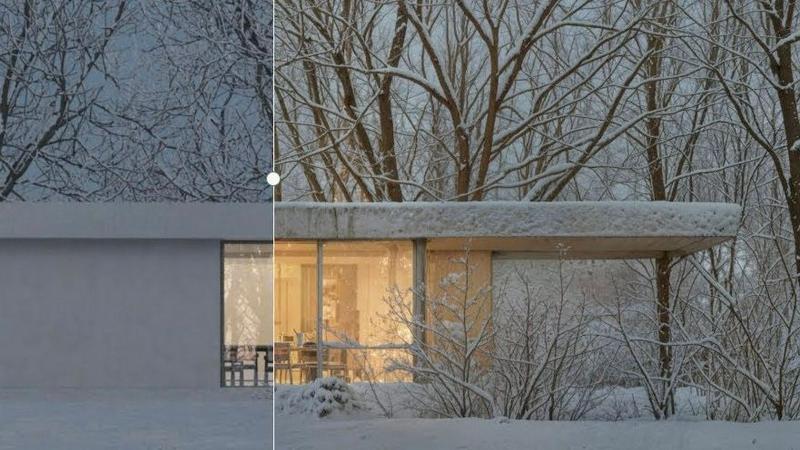
Discover the AI that upscales and refines your architectural renders with specialized precision.
Last updated: February 28, 2026
Visual Comparison
dmaya
vaethat
Feature Comparison
dmaya
AI-Powered Design Generation
dMaya leverages advanced AI technology to convert plain language descriptions into intricate, production-ready UI designs within moments. This feature eliminates lengthy design processes, enabling teams to focus on creativity rather than technicalities.
Multi-Screen Canvas
The platform offers an infinite canvas where users can simultaneously work on desktop and mobile frames. This feature enhances productivity by allowing drag-and-drop functionality, zooming, and organization, similar to Figma, but with the added efficiency of AI assistance.
Built for Teams & Collaboration
Designed with teamwork in mind, dMaya allows users to invite team members, share projects with clients, and leave comments in real-time. Role-based access ensures that everyone involved can contribute effectively while maintaining focus on their specific tasks.
Client Presentation Mode
With dMaya’s interactive preview feature, users can share polished designs with clients through a single, account-free link. This facilitates immediate feedback collection and iteration, streamlining the approval process and making it easier to align with client expectations.
vaethat
Specialized Archviz AI Engine
At the heart of vaethat is an AI model trained exclusively on architectural visualization. This means it doesn't just see pixels; it understands context like building geometry, material properties, and natural lighting. The result is enhancement that feels authentic to the scene, intelligently boosting realism in vegetation, character integration, and material surfaces without the generic, over-processed look common in general AI tools.
Multi-Image Workspace & Batch Processing
Why enhance images one by one when you can process an entire project at once? vaethat's Multi-Image Workspace allows you to drag and drop entire folders of renders. You can save sessions, apply consistent enhancement settings across multiple images, and upscale everything in a single operation. This feature is a game-changer for managing large archviz projects, ensuring visual consistency and saving immense amounts of time.
Preset-Based, No-Prompt Enhancement
vaethat eliminates the complexity and trial-and-error of slider adjustments and text prompts. The process is refreshingly straightforward: upload your render, select a specialized preset designed for archviz, and let the AI work. This "no wasted time, no wasted credits" approach provides predictable, high-quality results instantly, allowing you to focus on design rather than tool tweaking.
Design-Intent Preservation & Cleanup
A powerful enhancer must also be a faithful guardian of your original vision. vaethat is engineered to maintain the core composition and design of your render while it works. It simultaneously performs crucial cleanup, reducing noise and rendering artifacts like fireflies or grain, resulting in a polished, presentation-ready image that remains unmistakably yours.
Use Cases
dmaya
Agencies
Agencies can leverage dMaya to generate design concepts quickly during discovery calls, significantly enhancing their pitch processes. By presenting multiple design directions in just hours, they can win more clients and streamline their workflow.
Product Teams
Product teams benefit from dMaya by exploring various UI directions before committing engineering resources. This allows for enhanced collaboration across design, product, and engineering disciplines, reducing the discrepancies between designed output and actual builds.
Freelancers
Freelancers can utilize dMaya to expand their project capacity without extending their working hours. By generating high-quality designs swiftly, they can manage more clients simultaneously, thus increasing their revenue potential.
Startups
Startups can capitalize on dMaya's rapid design capabilities to iterate on their product ideas quickly. With the ability to present concepts to stakeholders and gather feedback without delays, startups can pivot and adapt their offerings based on real-time insights.
vaethat
Finalizing Client Presentation Deccks
Before a crucial client meeting, you need your renders to be immaculate. vaethat can quickly process a full set of project images, enhancing sharpness, material definition, and lighting balance to create a cohesive and professionally stunning presentation deck that communicates design value with maximum impact and clarity.
Enhancing Portfolio Pieces
For visualizers and architects building their portfolio, every image must stand out. vaethat helps refine key project renders, bringing out fine textures in wood and concrete, adding depth to landscaping, and ensuring characters look naturally integrated. This elevates the overall perceived quality and realism of your portfolio, attracting better clients and opportunities.
Speeding Up Post-Production Workflow
Manual post-processing in Photoshop can be time-consuming. vaethat integrates as a powerful first step, handling global enhancements like upscaling, noise reduction, and base lighting adjustments automatically. This frees up valuable time for artists to focus on creative compositing and detailed touch-ups rather than repetitive corrective tasks.
Improving Renders from Real-Time Engines
Renders from real-time visualization tools like Enscape or Lumion are fast but can sometimes lack fine detail and material sophistication. vaethat is perfect for giving these images an extra layer of polish, enhancing texture clarity, refining edges, and boosting overall realism to bridge the gap between speedy previews and final-quality imagery.
Overview
About dmaya
dMaya is a revolutionary design platform specifically crafted for agencies, teams, and freelancers who prioritize visual design before diving into code. It empowers users to generate professional-quality UI designs from simple text descriptions, allowing for a seamless transition from concept to execution. With dMaya, you can describe your project, whether it's a SaaS dashboard, an e-commerce flow, or a mobile app, and receive polished screens in mere seconds. The platform stands out by facilitating iterative conversations with an AI agent, enabling instant adjustments to colors, layouts, typography, and sections. This design-first approach ensures that teams can catch potential issues early, align collaboratively, and secure client approvals rapidly. With its design tokens feature, consistency across all screens is maintained effortlessly. Once designs are finalized, users can export them as clean HTML, CSS, and JavaScript code, ready to be handed off to any coding agent like Cursor or Claude Code for development in frameworks such as React or Flutter. This unique workflow allows teams to present confidently, approve efficiently, and ship products faster than ever.
About vaethat
What if the final step in your architectural visualization workflow could be as simple as a single click, yet produce results that feel meticulously hand-crafted? Welcome to vaethat, a specialized AI tool designed to solve a very specific challenge: elevating 3D architectural renders from good to breathtakingly realistic. Unlike general-purpose AI image enhancers that require guesswork and prompts, vaethat is built from the ground up for archviz professionals. It acts as an intelligent post-production assistant, trained exclusively on architectural visualization imagery. This deep specialization allows it to intuitively understand the nuances of buildings, materials, and lighting. Its core mission is to upscale and enhance your renders while faithfully preserving your original design intent. Imagine uploading a render and receiving back a version with dramatically improved clarity, sharper details, more defined materials, and balanced lighting—all without introducing unwanted artifacts or altering the composition. For architects, 3D artists, and visualization studios, vaethat unlocks a new level of efficiency and quality, transforming presentation-ready images for client decks, portfolios, and approvals with unprecedented speed and consistency.
Frequently Asked Questions
dmaya FAQ
How does dMaya generate designs from text descriptions?
dMaya employs sophisticated AI algorithms that interpret your plain language descriptions and translate them into comprehensive, production-ready UI designs almost instantaneously. This allows for a streamlined design process.
Can I collaborate with team members in dMaya?
Yes, dMaya is built for collaboration. You can invite team members to your projects, share designs for feedback, and even leave comments, facilitating a more integrated workflow that enhances team productivity.
What happens after I get client approval?
Once you receive client approval on your designs, you can easily export them as clean code in HTML, CSS, and JavaScript formats. This code can then be handed off to any coding agent for further development in your chosen framework.
Is there a limit to the number of screens I can design at once?
No, dMaya provides an infinite canvas that allows you to work on multiple screens across different devices simultaneously. This flexibility enhances your design capabilities and supports comprehensive project development.
vaethat FAQ
How does vaethat differ from manual editing or general AI enhancers?
Manual editing requires significant skill and time for consistent results. General AI enhancers are trained on all image types and often require prompts and tweaking, risking unnatural effects on architectural elements. vaethat is specialized; it applies archviz-specific intelligence automatically, delivering consistent, context-aware enhancements that preserve design intent without the manual labor or guesswork.
What software is vaethat compatible with?
vaethat is renderer-agnostic. It works seamlessly with images exported from any major software, including V-Ray, Corona, Lumion, Enscape, 3ds Max, SketchUp, Blender, and more. You simply upload your final rendered image file (like PNG or JPG), and vaethat processes it independently of the source application.
Does vaethat use my uploaded renders to train its AI models?
No. According to the provided content, vaethat does not use your architectural renders to train its AI models. Your project data and images remain confidential and are not used for further model training, protecting your intellectual property and client privacy.
What is the typical processing time for an image?
Processing is very fast, typically taking just seconds per image. The exact speed can depend on the image resolution and server load, but the platform is built for efficiency, allowing for rapid batch processing of entire projects so you can iterate and deliver without delay.
Alternatives
dmaya Alternatives
dMaya is an innovative AI vibe design platform tailored for agencies, teams, and freelancers who seek to streamline the design phase before diving into coding. By utilizing AI to generate professional UI designs from simple text descriptions, dMaya enables users to create polished screens quickly and efficiently. This unique approach not only enhances collaboration but also allows for rapid iteration and feedback, making it an indispensable tool for modern design workflows. Users often explore alternatives when they encounter limitations in pricing, feature sets, or platform compatibility. The need for a solution that better fits their specific requirements can arise from various factors such as budget constraints, desired functionalities, or the desire for a more intuitive user experience. When considering alternatives, it's essential to evaluate the features that matter most to your team, including ease of use, collaboration capabilities, and the ability to export designs seamlessly into code.
vaethat Alternatives
Vaethat is an AI-powered tool in the design software category, specifically built for architectural visualization professionals. It focuses on intelligently upscaling and refining 3D renders to enhance clarity and realism for final presentations. Users often explore alternatives for various practical reasons. This could be due to budget constraints, a need for different feature sets like broader image editing capabilities, or compatibility with specific operating systems and existing software workflows. The search for the right tool is a natural part of optimizing one's creative process. When evaluating other options, key considerations include the core AI enhancement capabilities for architectural imagery, the ease of integrating into a current pipeline, and the value offered for the investment. The ideal solution should not only improve image quality but also fit seamlessly into how you work, saving time while elevating your final output.