
NanoBanana2pro vs Patrivox
Side-by-side comparison to help you choose the right AI tool.

NanoBanana2pro
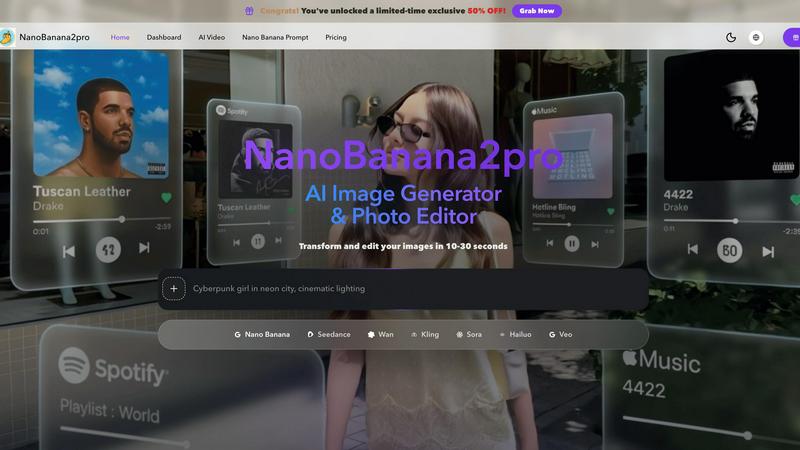
NanoBanana2pro is an AI image and video creation platform for generating and editing content across text, image, and video workflows.

Patrivox
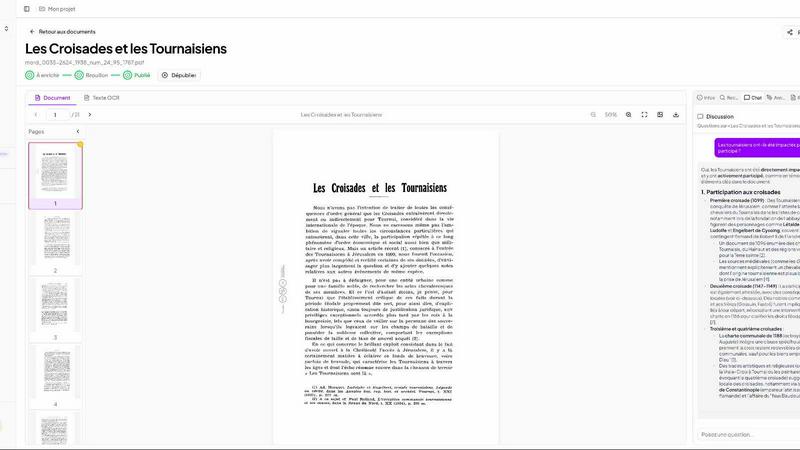
Transform your archives into searchable treasures in minutes with Patrivox's AI-powered document digitization.
Last updated: March 4, 2026
Visual Comparison
NanoBanana2pro
Patrivox
Overview
About NanoBanana2pro
NanoBanana2pro.site is an AI image generator and photo editor that converts prompts and reference images into high-resolution visuals for ads, ad creatives, e-commerce listings, and brand assets.The platform supports prompt-based generation with a single reference image, style transfer and presets, and iterative refinement to adjust lighting, texture, and composition.
Batch generation produces multiple variations from one input for A/B testing and visual exploration, while smart assets save prompts, presets, and past generations for reproducible workflows.Outputs include photorealistic and multi-scene images optimized for publishing, advertising, and product mockups, with export options suitable for digital and print.
About Patrivox
Patrivox is a pioneering SaaS platform rooted in Europe, designed to revolutionize the way organizations interact with their digital collections. Targeted at heritage institutions, municipal services, associations, and enterprises, Patrivox transforms vast repositories of scanned documents into a fully searchable knowledge base. Users can effortlessly drag and drop their PDFs into the platform, where Mistral AI employs sophisticated optical character recognition (OCR) technology to extract every word within minutes. The platform excels in identifying key entities—such as individuals, locations, and organizations—while seamlessly connecting them in an interactive knowledge graph. Patrivox is particularly beneficial for researchers and the public, ensuring quick access to vital information with features like typo tolerance and natural language queries, making previously inaccessible knowledge easily searchable and shareable. This innovative solution opens new avenues for research and public engagement, thereby enhancing the accessibility of archival resources.