
CloudBurn vs qtrl.ai
Side-by-side comparison to help you choose the right AI tool.

CloudBurn
Discover what your code changes will cost before they deploy to production.
Last updated: March 1, 2026

qtrl.ai
qtrl.ai empowers QA teams to scale testing with AI while ensuring control, governance, and seamless integration.
Last updated: March 4, 2026
Visual Comparison
CloudBurn
qtrl.ai
Feature Comparison
CloudBurn
Automated Pull Request Cost Analysis
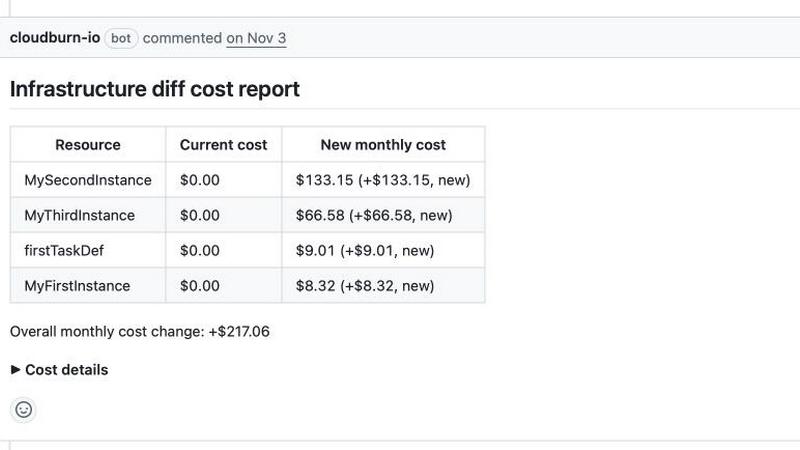
Imagine every infrastructure change being automatically audited for its financial impact. CloudBurn integrates directly with your GitHub workflow to analyze the diff in every pull request. Using live AWS pricing data, it calculates the exact monthly cost delta of your proposed changes and posts a clear, itemized report as a comment. This happens within seconds, turning cost awareness into a natural, non-disruptive part of your team's review process without any manual intervention.
Real-Time AWS Pricing Intelligence
How can you trust a cost estimate if it's based on outdated data? CloudBurn eliminates this uncertainty by pulling the very latest pricing information directly from AWS. This ensures that every cost projection for resources like EC2 instances, Fargate tasks, or RDS databases is accurate and reflective of current on-demand rates, giving you confidence that the numbers you see are the numbers you'll get.
Seamless Integration with Terraform & AWS CDK
Wondering how to fit a new tool into your existing IaC workflow? CloudBurn is designed to work natively with the tools you already use. By simply adding a GitHub Action for either Terraform Plan or AWS CDK Diff, you connect your pipeline. The tool automatically detects the output, sends it for analysis, and delivers the cost report, requiring no changes to your core development practices or codebase.
Detailed, Actionable Cost Breakdowns
A single total cost figure is helpful, but what if you need to understand the why behind it? CloudBurn provides granular, line-item breakdowns for every resource change. You can see the hourly rate, usage type, and a plain-language description for each component, enabling developers to make informed optimization decisions, like downsizing an over-provisioned instance, right during the code review.
qtrl.ai
Autonomous QA Agents
qtrl.ai's Autonomous QA Agents execute instructions on demand or continuously, allowing teams to run tests across multiple environments at scale. These agents operate within user-defined rules and ensure real browser execution rather than simulations, enabling reliable testing outcomes.
Enterprise-Grade Test Management
The platform offers a centralized repository for managing test cases, plans, and runs, providing full traceability and audit trails. With manual and automated workflows integrated, qtrl.ai is built to meet compliance standards and facilitate robust governance.
Progressive Automation
Teams can start with human-written instructions and progressively move to AI-generated tests when they feel ready. qtrl.ai suggests new tests based on coverage gaps, allowing teams to review, approve, and refine tests at every step of the automation journey.
Adaptive Memory
qtrl.ai features Adaptive Memory, which builds a living knowledge base of the application. It learns from exploration, test execution, and issues, powering smarter and context-aware test generation that improves with every interaction, ensuring continuous enhancement of the testing process.
Use Cases
CloudBurn
Preventing Costly Misconfigurations in PR Reviews
The most effective way to manage cloud spend is to stop it at the source. Engineering teams use CloudBurn to catch expensive mistakes—like accidentally provisioning a dozen xlarge instances instead of micros—before the code merges. This shifts cost governance left, empowering developers with the data to self-correct and preventing heart-stopping surprises on the monthly invoice.
Enabling Data-Driven Architecture Discussions
How often do design debates hinge on performance but ignore cost? With CloudBurn, teams can elevate their architectural discussions. When proposing a new microservices design or database solution, the immediate cost impact is visible to everyone in the PR. This allows for balanced conversations that consider both technical merit and financial sustainability from the earliest stages.
Streamlining FinOps and Budget Forecasting
For platform and FinOps teams, manually forecasting the cost of upcoming projects is a tedious chore. CloudBurn automates this estimation process. By analyzing the infrastructure code slated for development, teams can generate accurate, code-based forecasts, improving budget accuracy and providing clear financial accountability for each project or feature team.
Educating Developers on Cloud Cost Implications
Many developers write infrastructure code without a clear understanding of the financial weight of their decisions. CloudBurn acts as a continuous learning tool. With every PR comment, developers receive immediate feedback on the cost consequences of their code, fostering a culture of cost consciousness and building institutional knowledge over time.
qtrl.ai
Product-Led Engineering Teams
Product-led engineering teams can leverage qtrl.ai to scale their quality assurance efforts without losing control. The platform enables them to manage tests efficiently while gradually adopting automation, ensuring that product quality remains a top priority.
QA Teams Transitioning from Manual Testing
For QA teams moving beyond manual testing, qtrl.ai provides a structured approach to integrate automation seamlessly. Teams can start with simple test management and evolve to utilize AI-driven agents, making the transition smoother and more efficient.
Companies Modernizing Legacy Workflows
Organizations looking to modernize their legacy QA workflows can benefit from qtrl.ai's comprehensive features. The platform supports existing tools, allowing teams to integrate modern testing practices without disrupting established processes.
Enterprises Requiring Governance and Traceability
Enterprises that demand strict compliance and audit trails will find qtrl.ai perfectly suited to their needs. With full traceability and robust governance features, teams can ensure that their quality assurance processes meet regulatory requirements while maintaining high standards.
Overview
About CloudBurn
What if you could peer into the financial future of your infrastructure code before it ever runs? CloudBurn is a transformative tool designed for engineering teams who use Terraform or AWS CDK to manage their cloud infrastructure. It addresses a critical, often painful gap in the development lifecycle: the disconnect between writing infrastructure-as-code and understanding its cost implications. Traditionally, teams discover budget overruns weeks later on their AWS bill, long after resources are provisioned and costs are accumulating. CloudBurn fundamentally changes this dynamic by injecting real-time cost intelligence directly into the code review process. Whenever a developer opens a pull request with infrastructure changes, CloudBurn automatically analyzes the diff using live AWS pricing data and posts a detailed cost report as a comment. This creates a powerful feedback loop, empowering teams to discuss, optimize, and adjust expensive configurations while the changes are still in development and easy to modify. It’s a proactive shield against budgetary surprises, transforming cost management from a reactive, finance-led scramble into an integrated, engineering-led practice. It’s for any team that has ever wondered, "How much will this new architecture actually cost?" and wants an immediate, accurate answer.
About qtrl.ai
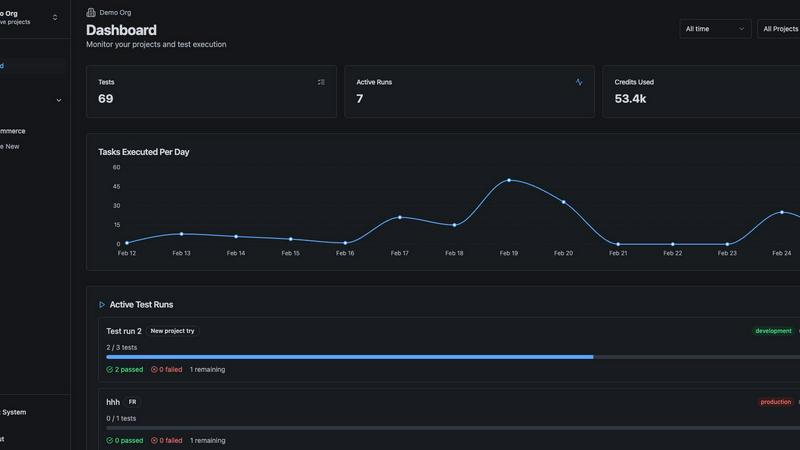
qtrl.ai is a cutting-edge quality assurance platform designed to empower software teams to enhance their QA processes without compromising control or governance. By combining enterprise-grade test management with intelligent AI automation, qtrl.ai offers a holistic solution for managing software quality. It serves as a centralized hub where teams can efficiently organize test cases, plan test runs, and trace requirements to ensure comprehensive coverage. With real-time dashboards, qtrl.ai provides visibility into testing outcomes, helping engineering leads and QA managers identify potential risks swiftly. What sets qtrl.ai apart is its progressive AI layer, which allows teams to gradually adopt automation. Starting from manual test management, teams can evolve to leverage autonomous agents that generate, maintain, and execute UI tests seamlessly across various environments. This adaptability makes qtrl.ai ideal for product-led engineering teams, QA groups transitioning from manual testing, organizations modernizing legacy workflows, and enterprises that require stringent compliance and audit trails. Ultimately, qtrl.ai aims to bridge the gap between the slow pace of manual testing and the complexities of traditional automation, facilitating a trusted path to faster, more intelligent quality assurance.
Frequently Asked Questions
CloudBurn FAQ
How does CloudBurn calculate the cost estimates?
CloudBurn calculates estimates by parsing the infrastructure diff from your Terraform plan or AWS CDK synthesis output. It identifies the specific AWS resources being added, modified, or removed. Then, it cross-references these resources with real-time pricing data from AWS's own pricing API, applying the appropriate rates based on region, instance type, and other configurations to generate a projected monthly cost.
Is my code or cloud credentials exposed to CloudBurn?
No, your sensitive code and AWS credentials remain secure within your GitHub environment. CloudBurn operates by receiving only the textual output of your terraform plan or cdk diff command via a GitHub Action. Your actual Terraform state files, AWS access keys, or repository code are never transmitted to CloudBurn's servers, ensuring a secure and compliant workflow.
What infrastructure-as-code tools does CloudBurn support?
Currently, CloudBurn offers dedicated, seamless support for two of the most popular IaC frameworks: HashiCorp Terraform and the AWS Cloud Development Kit (AWS CDK). Support is implemented through easy-to-use GitHub Actions that capture the plan or diff output specific to each tool, making integration straightforward for teams using either standard.
Can CloudBurn analyze costs for existing infrastructure?
The primary focus of CloudBurn is on analyzing changes—the diff in a pull request. It is designed for pre-deployment cost visibility. For comprehensive cost management and analysis of your already-deployed, full infrastructure stack, you would typically use a cloud provider's native cost tool (like AWS Cost Explorer) or a dedicated cloud cost management platform.
qtrl.ai FAQ
What makes qtrl.ai different from traditional QA tools?
qtrl.ai uniquely combines enterprise-grade test management with a progressive AI layer, allowing teams to gradually adopt automation while maintaining control. This approach mitigates the risks associated with traditional "black-box" AI systems.
Can qtrl.ai integrate with existing tools?
Yes, qtrl.ai is designed to work seamlessly with existing tools and workflows. This adaptability facilitates the modernization of QA practices without disrupting current processes, ensuring a smooth transition for teams.
How does qtrl.ai ensure test execution across different environments?
qtrl.ai allows teams to run tests across various environments, including development, testing, staging, and production. It supports per-environment variables and encrypted secrets, ensuring security and consistency in test execution.
Is it easy to scale QA efforts with qtrl.ai?
Absolutely. qtrl.ai is built for scalability, enabling teams to manage test cases, automate execution, and explore autonomous QA at their own pace. This flexibility allows teams to enhance their QA processes without compromising oversight or governance.
Alternatives
CloudBurn Alternatives
CloudBurn is a specialized tool in the development and DevOps category, designed to bring real-time cloud cost intelligence directly into the infrastructure-as-code workflow. It analyzes Terraform or AWS CDK changes in pull requests to forecast AWS costs before code ever reaches production, transforming cost management from a reactive finance task into a proactive engineering practice. Users often explore alternatives for various reasons. Some may seek different pricing models or have budget constraints that require a more basic solution. Others might need support for additional cloud providers beyond AWS, or require deeper integration with CI/CD platforms other than GitHub. The specific feature set, such as the depth of cost analysis or reporting capabilities, can also drive the search for a different tool. When evaluating options, it's wise to consider a few key areas. Look for accurate, up-to-date pricing data that reflects your actual usage and regions. Seamless integration into your existing developer workflow is crucial for adoption, ensuring the tool provides value without becoming a burden. Finally, consider the clarity and actionability of the insights provided; the best tools empower teams to make informed decisions quickly, right where they code.
qtrl.ai Alternatives
qtrl.ai is a cutting-edge quality assurance platform designed to help software teams enhance their testing processes through a blend of AI-powered automation and traditional test management. This innovative tool allows QA professionals to scale their efforts while maintaining full control and governance, making it an invaluable asset for product-led engineering teams and enterprises with strict compliance needs. Users often seek alternatives to qtrl.ai for various reasons, including pricing structures, feature sets, and unique platform requirements that may not align with qtrl.ai's offerings. When exploring alternatives, it’s essential to consider aspects such as ease of integration, the scalability of automation features, the ability to maintain control over testing processes, and any specific compliance or reporting needs that your organization may have.