
Alternatives to Self-Healing Integrations
Explore the best alternatives and competitors to Self-Healing Integrations.
Explore 20 alternatives to Self-Healing Integrations. Compare features, pricing, and find the best fit for your needs.

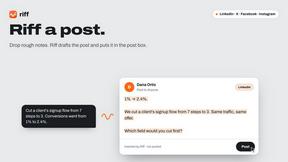
Riff
Riff writes replies, DMs and posts with Gemini Nano inside Chrome. Runs on your computer, no account or API key, and never posts for you.

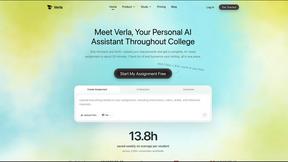
Verla AI
Verla is an AI academic assistant for university and college students, combining AI essay writing, academic research, AI detection, AI humanization

Capafy AI
Agent Skills marketplace: discover expert AI agents, run them online, or publish a Skill and earn from every sale.
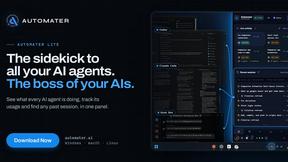
AUTOMATER.ai
A tray helper for every AI coding tool: one searchable library of past sessions, waiting alerts and usage across 9 providers.

GetYouTubeTranscript
Free YouTube transcripts on the web, a Chrome extension, and an API + MCP server so AI assistants can read YouTube.

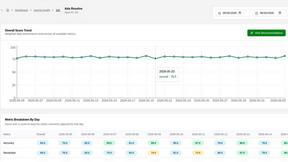




benchmark.directory
No sponsored listings, no affiliate ordering, no paid tier. 146 AI tools we bought, used, and reported on in public.
saasgrow.ai
No sponsored slots, no paid placement. Just SaaS growth tools that passed screening, sorted into categories you can browse.

Tools Network
New AI tools drop every day — Tools Network makes sure you never miss the ones that matter.


Built2Win AI Indexing
AI‑ready websites, WebAgentScan SaaS, and Indexing Pack. MCP, A2A, llms.txt — hand‑coded PHP, complete ownership, flat‑fee, free quote.



About Self-Healing Integrations Alternatives
Self-Healing Integrations is a cutting-edge solution designed to seamlessly connect various systems with an agentic platform that takes the complexity out of traditional integration projects. Belonging to the AI Assistants category, Self-Healing Integrations automates the lifecycle of integrations, ensuring they remain operational and efficient without requiring constant manual oversight. This innovative approach alleviates the burden of ongoing maintenance and adjustments that often accompany custom integrations, streamlining the integration process. However, users frequently seek alternatives to Self-Healing Integrations for various reasons, including cost considerations, specific feature requirements, or compatibility with existing platforms. When evaluating potential substitutes, it's crucial to consider factors such as the flexibility of integration options, the ease of use, the level of ongoing support provided, and the overall scalability of the solution. A thorough understanding of these elements will help users identify an alternative that aligns with their unique business needs and operational goals.
FAQs about Self-Healing Integrations Alternatives
What is Self-Healing Integrations?
Self-Healing Integrations is an innovative platform that allows users to integrate various systems effortlessly. It automates the management of integrations, ensuring they are continuously monitored and maintained without necessitating constant manual intervention. This approach helps businesses streamline their processes and reduce the overhead typically associated with traditional integration methods.
Who is Self-Healing Integrations for?
Self-Healing Integrations is designed for organizations that require seamless connectivity across multiple systems, especially those with complex integration needs. It particularly benefits businesses that face challenges with traditional custom integrations, such as high costs and lengthy deployment times. Companies looking to enhance their operational efficiency through automated integration management will find this solution especially valuable.
Is Self-Healing Integrations free?
Self-Healing Integrations is not a free service; it operates on a pricing model that reflects the advanced capabilities and ongoing support it provides. Users can expect to pay based on their specific integration needs and the scale of their operations. This investment is typically justified by the time and resources saved in managing integrations manually.
What are the main features of Self-Healing Integrations?
Key features of Self-Healing Integrations include automated lifecycle management, real-time monitoring, and adaptive maintenance of integrations. The platform is designed to minimize manual intervention by using AI to detect and resolve issues proactively. This ensures that integrations remain operational, reducing downtime and enhancing overall efficiency.